

Bathroom floors are some of the hardest-working surfaces in your house, and not every material performs as well as it looks. Making the right choice deserves more than simply picking a color on a sample board and calling it a day. Below, Black Cat Design Build, LLC, shares tips for making the right flooring decision during bathroom remodeling so that you can get the most out of your investment.
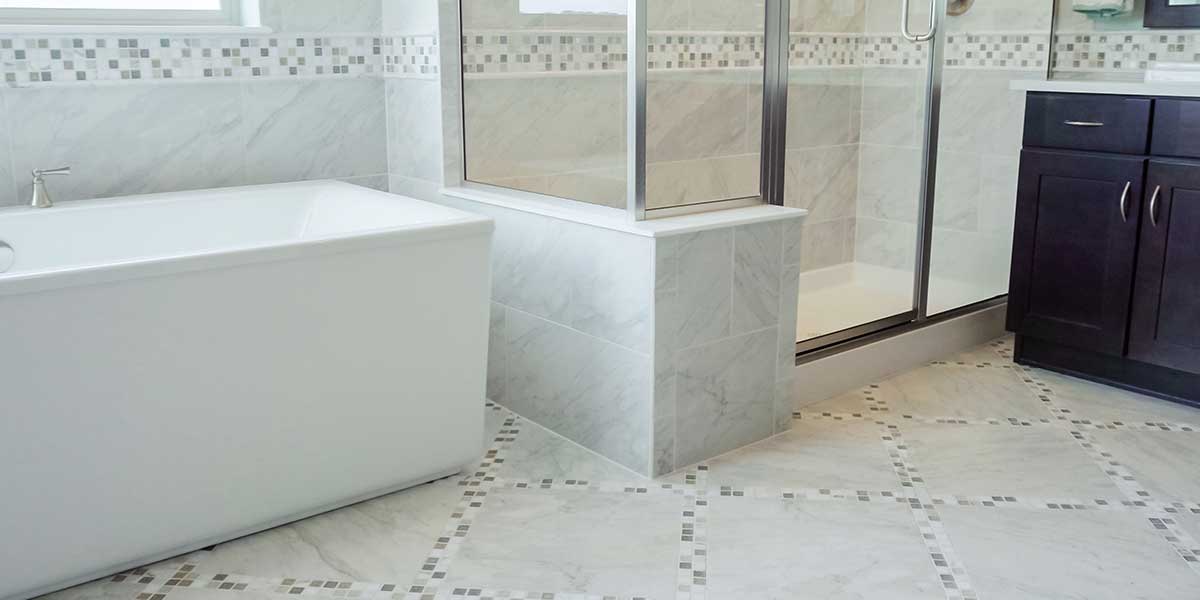
Start Below the Surface
Waterproof flooring, unlike water-resistant flooring, handles standing water from the tub someone forgot about or the supply line that lets go while you’re at work. In a kids’ bath or a curbless shower, the wrong floors could lead to extensive damage.
Water in a bathroom travels into seams, wicks under baseboards, sits in grout, and looks for any gap around the toilet flange or tub apron. Therefore, moisture resistance and quality flooring go hand in hand. Before you commit to a product, ask your contractor what’s going under it.
Is it sheet membrane or liquid-applied waterproofing? How is the perimeter sealed where the floor meets the wall? Your manufacturer’s warranty may depend on whether this substrate falls within their specifications.
Narrow the Field to What Belongs in a Wet Room
Solid hardwood and laminate work almost anywhere in a home except a bathroom, since both swell once moisture reaches the core. Fortunately, a handful of materials are great for a bathroom, including the following:
- Porcelain tile flooring: This is a dense, nearly nonporous material that is rated for heavy traffic.
- Luxury vinyl flooring: These waterproof planks and tiles can be installed quickly and imitate wood or stone convincingly.
- Natural stone flooring: Options like marble and slate are striking in a bathroom. With regular resealing, such materials are also highly durable.
- Sheet vinyl flooring: This may have a shorter run than tile, but it is a budget pick with almost no seams for water to find.
For more unique ideas for bathroom flooring that hold up to daily use, it’s worth talking it through with a remodeling expert early in the design phase.
Check for Traction Before You Fall in Love
When choosing bathroom flooring, do not overlook traction. A slip-resistant surface is measured by the dynamic coefficient of friction. Roughly 0.42 or higher is the accepted benchmark for wet interior floors, so check for this on the manufacturer’s technical sheet.
Beyond this rating, a few choices move the needle:
- Matte and textured finishes grip better than polished ones.
- Smaller tiles add grout lines, which add traction.
- More grout lines also mean more cleaning, so pair a small-format tile with epoxy grout or a color that hides wear.
Accessibility needs may also change the tile size and the threshold detail.
Address Comfort During Rough-In
Tiles can be cold in winter, so if porcelain or stone is the look you want, be sure to price radiant heat mats. Adding them during a remodel costs a fraction of what you’ll pay for retrofitting later. The decision also affects thermostat placement and whether you need a dedicated circuit.
Vinyl and cork run warmer on their own and absorb sound. A little give underfoot is also easier on your back when you’re standing at the sink barefoot.
Weigh Price Against Durability
The cheapest material might not give you the bathroom floor durability you hope for after the remodel. Quality porcelain can last 50 years or more, and luxury vinyl typically runs 15 to 25 years. Sheet vinyl often needs replacing inside 10 to 15 years, so compare the cost per year of service rather than per square foot.
Installation is another important consideration, as materials like tile will cost more to set correctly because they demand a flat substrate and a carefully planned layout. A modest porcelain installed over a sound assembly will also outlast a premium tile sitting on a failed membrane, so preparation is key to ensuring that your remodeling efforts will meet your expectations for durability. Waterproofing, heat mats, tile, and trim also have to land in the right order, so professional coordination is crucial to keep things in line as your remodel makes headway.
Do Your Remodel Right the First Time
Do you need a permit to remodel your home in Clark County? Find out more about questions like this and more when you call Black Cat Design Build, LLC, at (971) 251-0268. Our experienced team can help you with everything from choosing bathroom flooring to planning a larger remodel.